

Protecting Lives, Property and the Environment
Our highest priority is developing products that support a safer and more sustainable future. Xeriant’s building materials, marketed under the DUREVER™ brand, apply the latest advancements in composites engineering and fire retardant technology to set new standards in safety, durability and sustainability, providing a significant advantage over traditional construction products.

The NEX Advantage
Xeriant innovation will impact how we build and where we live. When disaster events occur, our breakthrough building products can make all the difference.
Homes and buildings constructed with DUREVER “NEX-Gen” materials will have lower fire and water damage risk profiles, with the potential to improve insurability and reduce hazard insurance premiums over time.
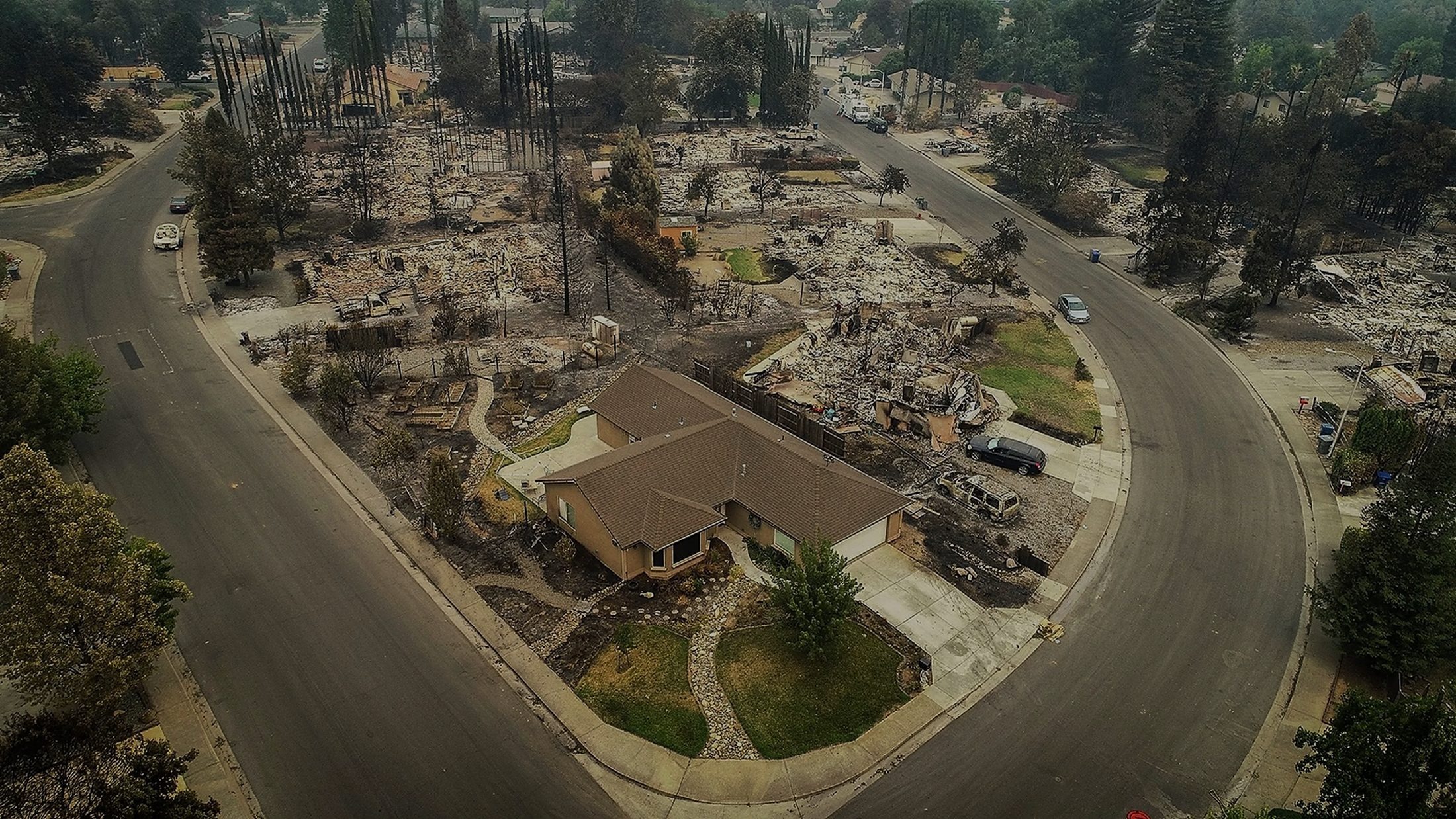
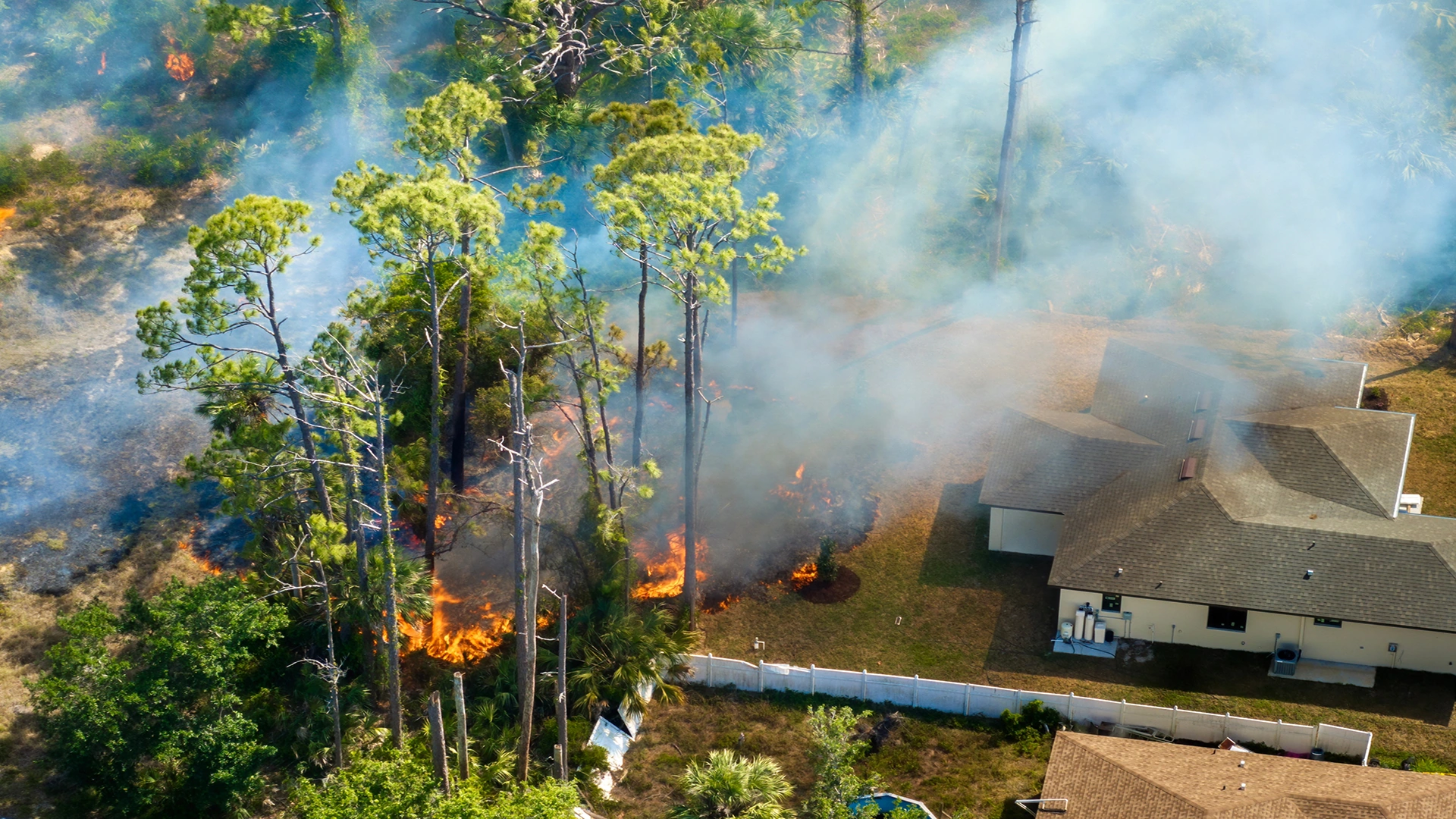
Fire Damage
Wildfires are the most common natural disaster. Climate Central reports that one-third of the approximately 140 million homes in the U.S., or about 46 million homes, are situated in high-risk areas for wildfires. In 2025 alone, 18,385 structures in the U.S. were reported to be damaged by wildfires, including 12,773 homes, 5,116 minor structures, and 496 commercial structures.
According to the National Fire Protection Association (NFPA), local U.S. fire departments responded to an estimated 1,388,000 fires in 2024, causing 3,920 civilian deaths, 11,780 civilian injuries, and $19 billion in direct property damage.
Flood Damage
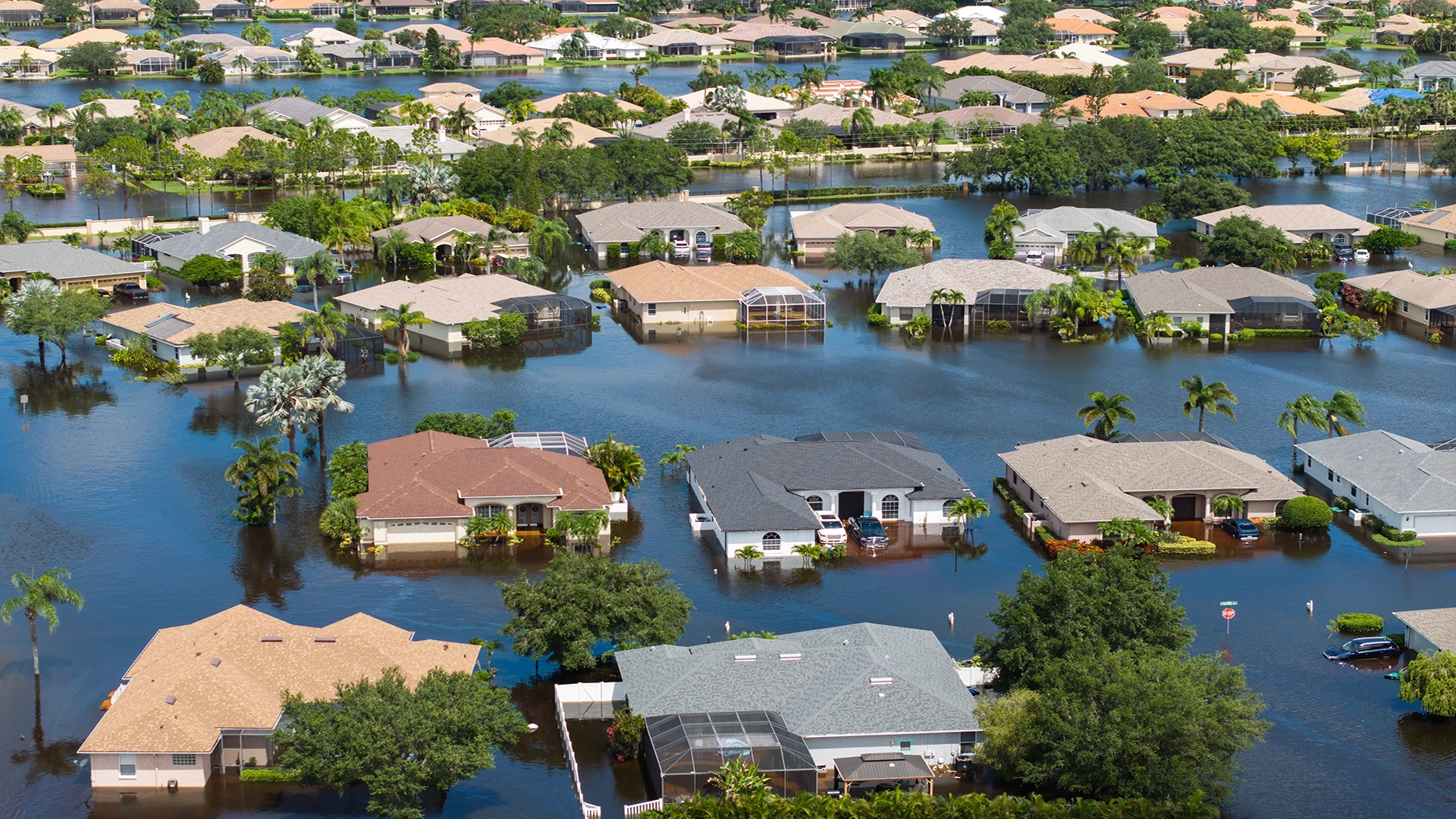
The Federal Emergency Management Agency (FEMA) has designated more than 20,000 communities as potential flood zone areas, with 13 million homes categorized as high-risk for flooding. A study published in the Environmental Research Letters Journal asserts the real number of homes exposed to flood risk is about 41 million, more than three times FEMA’s 13 million figure.
There are an estimated 32.7 million homes currently at risk for damage from hurricanes, according to CoreLogic. Most of the damage is the result of flooding from storm surges and torrential rain. Of all natural disasters, hurricanes by far are responsible for the most destruction, totaling over $1 trillion since 2000, which averages $27.2 billion per event.
Drywall and Moisture
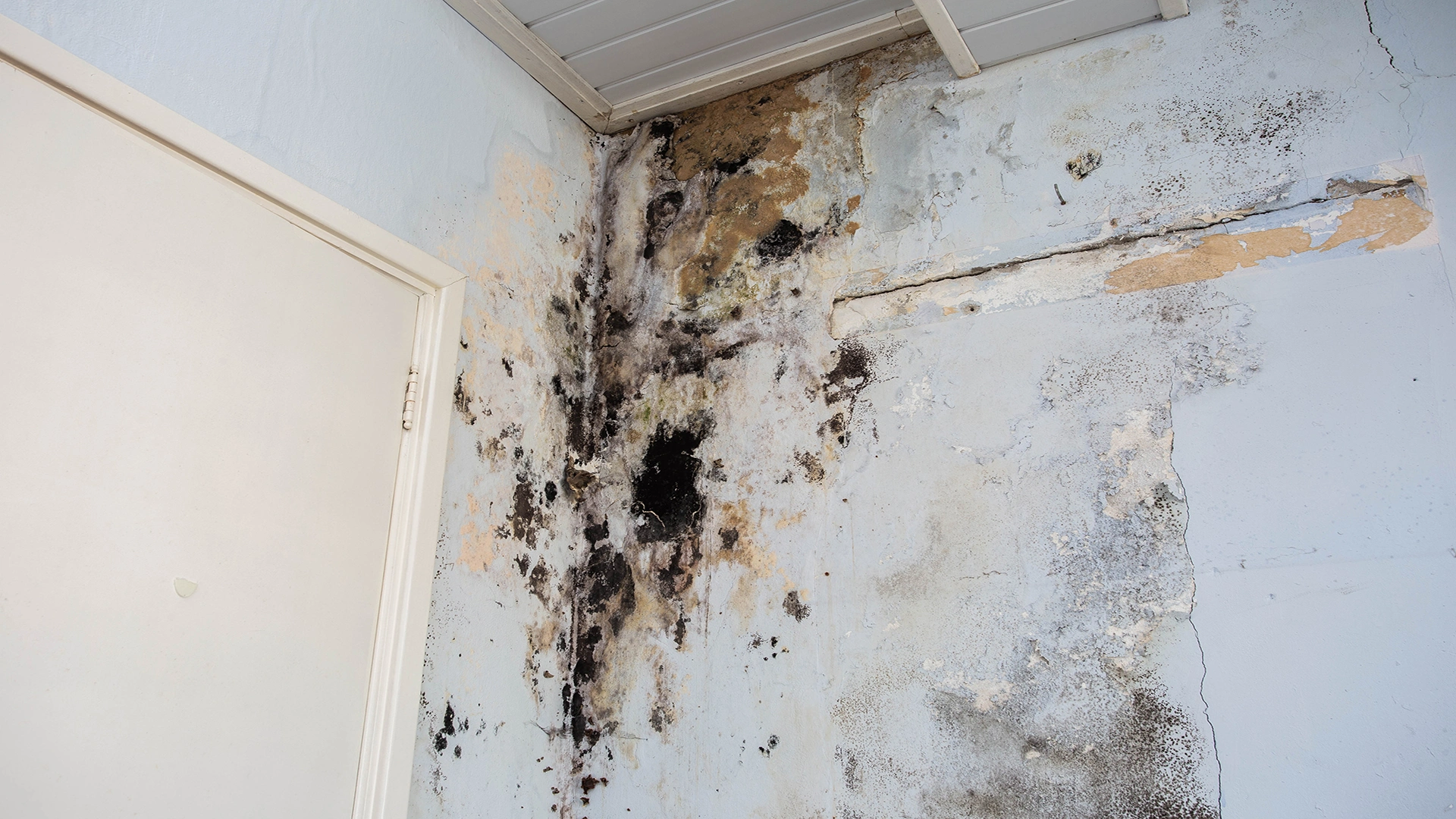
For over a century, drywall has been the construction industry’s choice for interior walls and ceilings. When exposed to moisture for extended periods, drywall swells, softens and breaks down, losing its structural integrity and providing a breeding ground for mold. Drywall is porous, which means that it absorbs water and allows mold roots (called hyphae) to grow into the material rather than just sitting on the surface. Often the growth on the back of the drywall facing the wall cavity is worse than what shows on the room side.
Drywall’s paper facing is made of pure cellulose, an ideal food source for mold. Even “mold-resistant” versions depend on chemical treatments or special facings that can still fail under prolonged moisture exposure. The EPA states that mold-damaged drywall needs to be removed and replaced and usually requires hazardous waste disposal. Mold on drywall can pose significant health risks, including respiratory issues, allergic reactions, and exacerbation of asthma symptoms.
Insect Damage
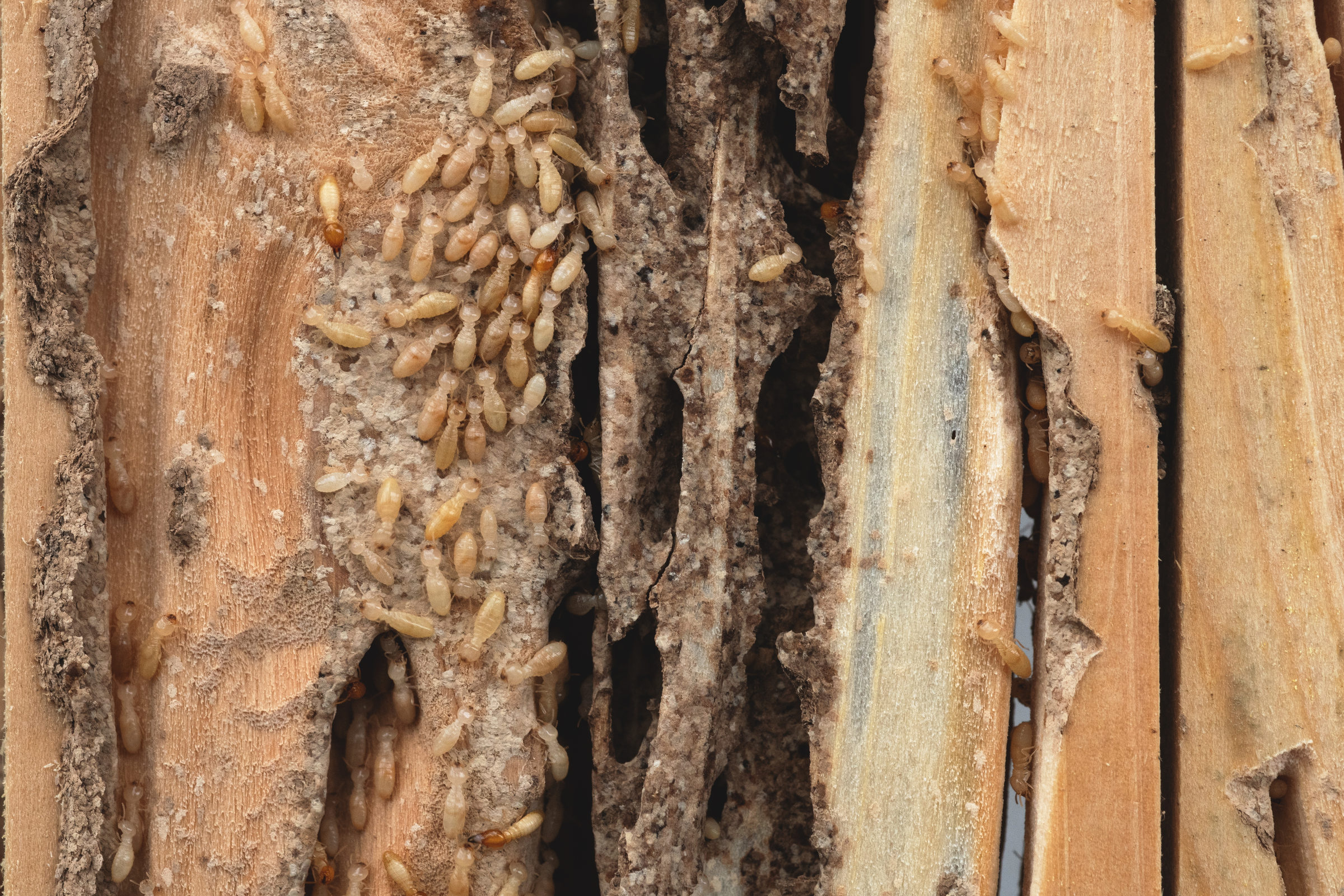
Wood is susceptible to damage from several types of insects that either consume the cellulose in the wood or tunnel into it for nesting. Cellulose, which represents about 40 or 50 percent of the dry weight of wood, is the ultimate food source for termites and an easily excavated material for nesting carpenter ants and beetles. Wood-destroying insects, especially termites, pose a major threat to residential structures by hollowing out framing, joists, sill plates, subflooring and support beams from the inside. Damage often remains hidden for years behind walls, floors, and insulation, allowing colonies to weaken a home before visible signs appear. Most of these insects prefer targeting wood that has become moist, soft or decayed, and therefore plywood, Oriented Strand Board (OSB) and other wood construction products are more vulnerable if they become wet or remain untreated.
While gypsum drywall is not their preferred food source, termites can actively consume its cellulose paper backing and facing and tunnel through the space around it while searching for the wood materials they need. Often termite damage to drywall resembles water damage, minor settling, or a poor paint job, exhibiting bubbling, peeling, blistering, rippling or uneven paint. Termites alone are estimated to cause up to $6.8 billion in U.S. property damage annually, and standard homeowners insurance policies typically do not cover insect damage, treating it as a maintenance issue rather than a sudden event.
Wood and Moisture
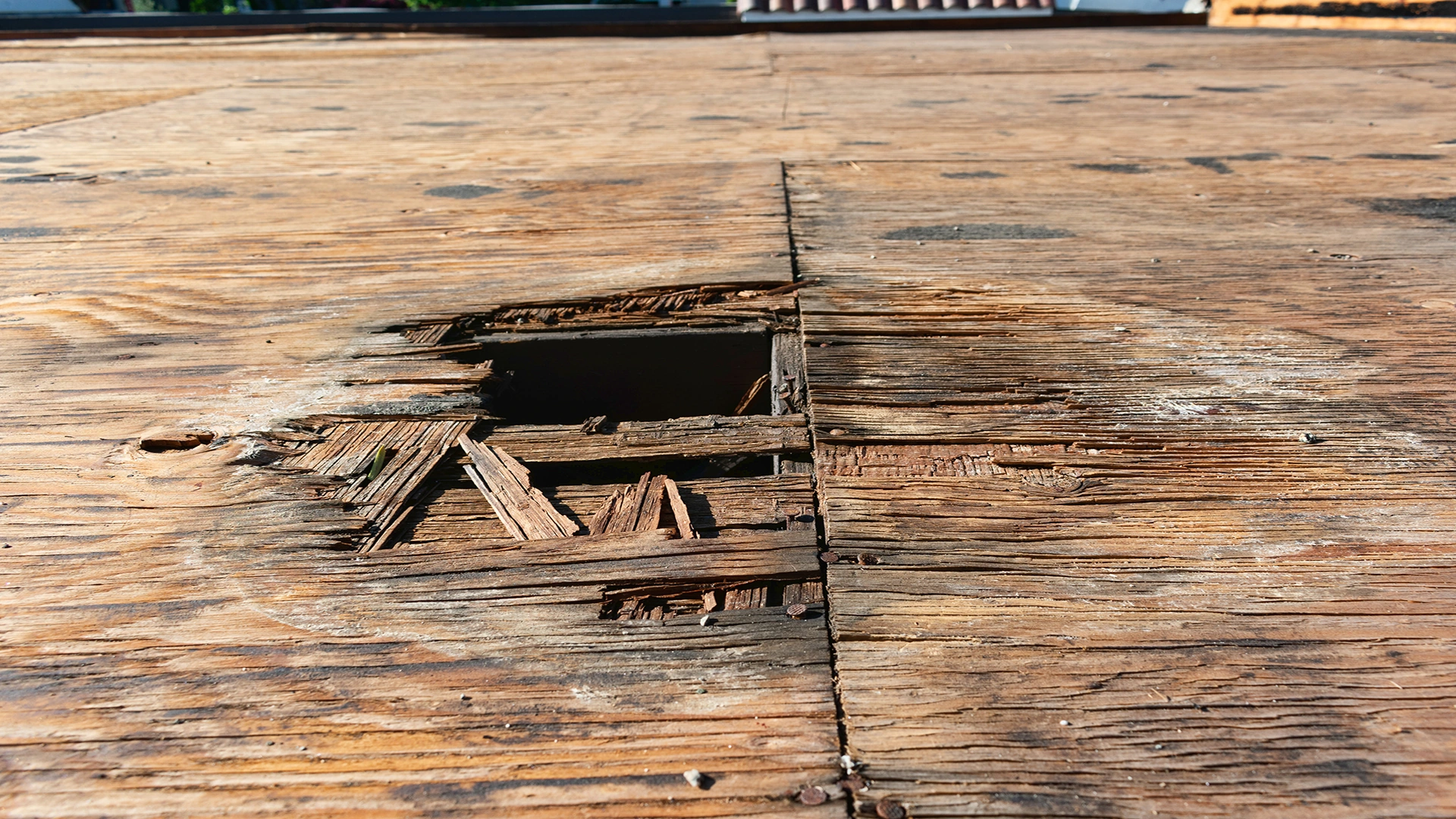
Plywood and OSB are the two dominant sheathing materials used in residential and light commercial construction. When exposed to moisture, these wood-based wallboard products can swell, warp, soften, rot, delaminate and lose structural strength, leading to degradation and mold growth. While exterior-grade versions improve water resistance, they remain organic and therefore capable of supporting mold.
Both plywood and OSB require protection from moisture during construction and must be covered with weather-resistant wraps as soon as possible. Another issue with moisture penetrating plywood and OSB, particularly along the edges, is that the strands can separate, allowing the fasteners to pull free with less force. In hurricane-prone regions, this weakness can compromise the entire building structure under high winds.
Our advanced materials deliver superior performance, and more importantly, peace of mind.
Explore NexBoardXeriant, Inc. is an OTC Markets public company trading under the stock symbol XERI.
3651 FAU Blvd., Suite 400
Boca Raton, FL 33431